
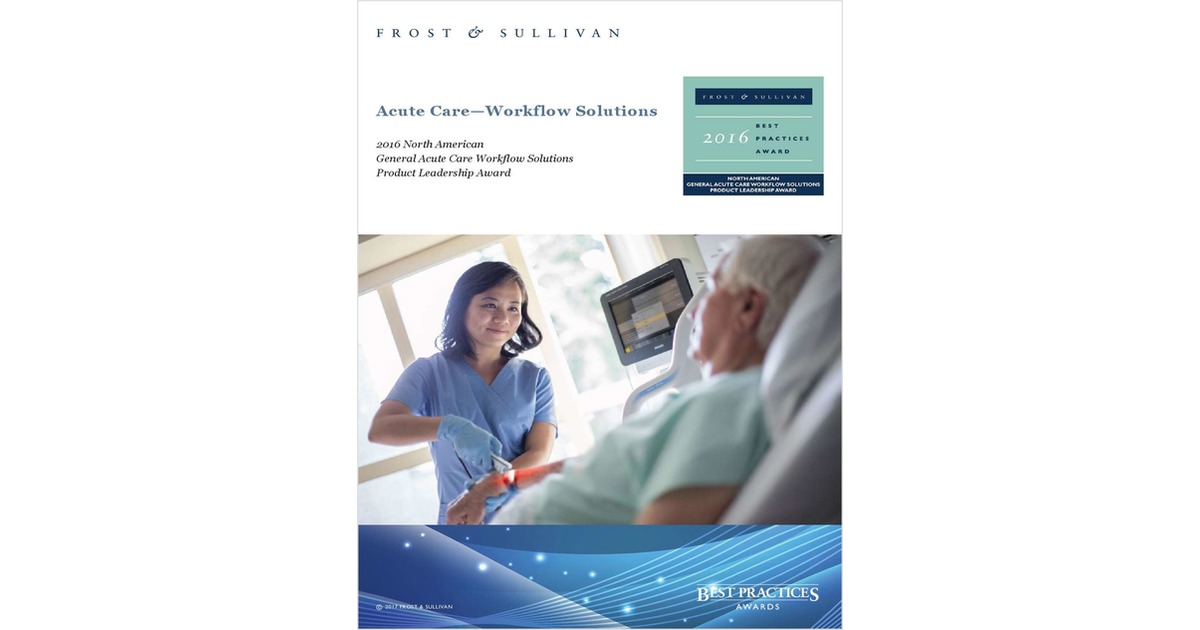
Acute Care - Workflow Solutions
All too often, patients admitted to hospitals suffer from unanticipated adverse clinical events, many of which are preventable. Surprisingly, 35% to 40% of hosp...
Key Takeaways for Enterprise Leaders
Actionable strategies verified against enterprise industry benchmarks and real-world rollouts.
Statistical evidence and market data to support executive budgeting and strategic alignment.
Executive Abstract
Peer ReviewedPatients on the med-surg floor are sicker than they were in the past. These patients require more intensive care and as a result some hospitals have chosen to add continuous ICU-level monitors to the floors with an alarming workflow. The alarms let the caregiver know when a patient’s vital signs have gone outside of an acceptable boundary. The hope is that it will allow the caregiver to intervene before the patient suffers a Serious Adverse Event (SAE), like a myocardial infarction.
Unlock Report Access
Provide your professional details for instant PDF access.
Related Research Publications
 Guide
Guide
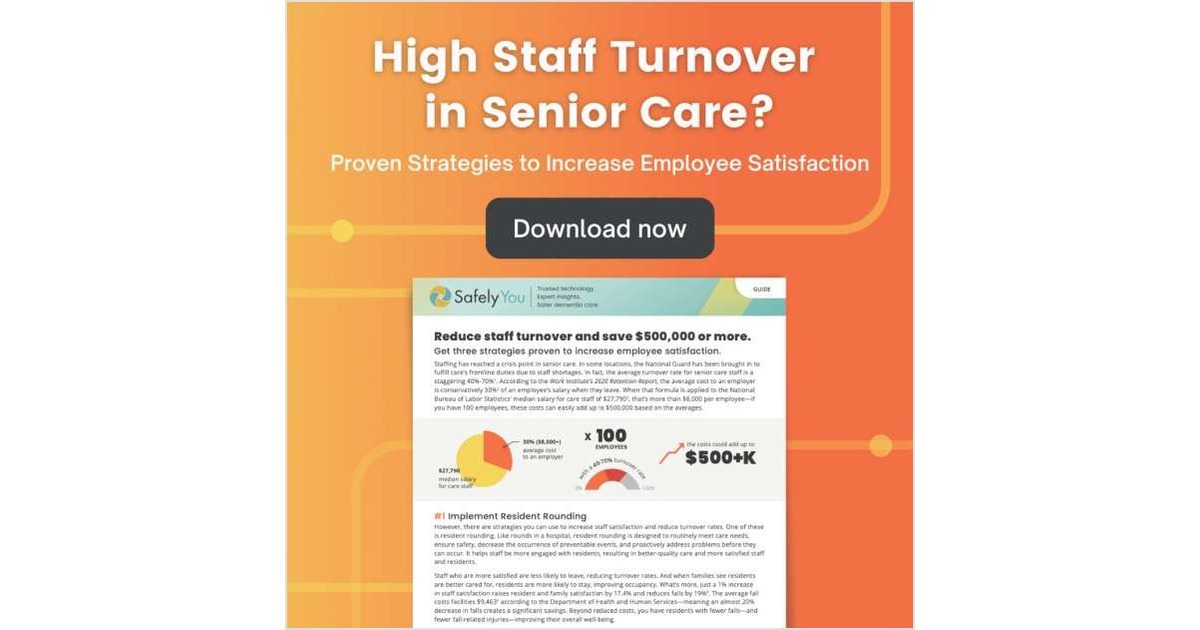
Are You Experiencing High Employee Turnover? Save $500,000+ A Year by Reducing Staff Turnover & Increasing Resident Safety.
This Free, Actionable Guide: Reduce Burnout & Increase Staff Satisfaction. Staffing has reached a crisis point in senior care. But there are steps providers ca...
 Report
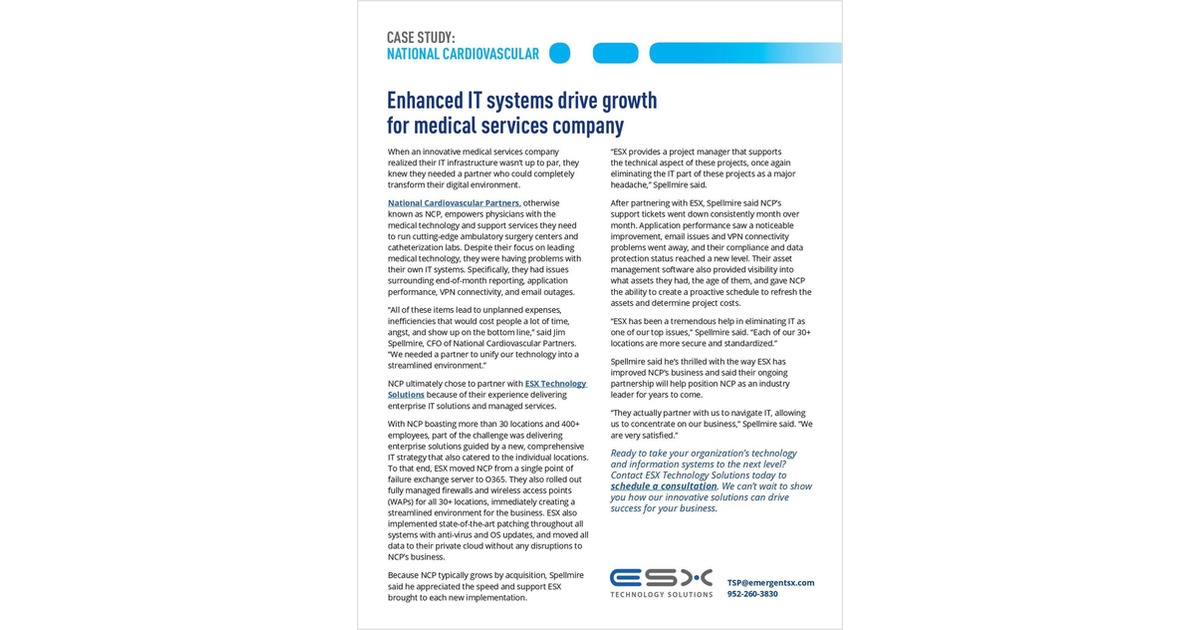
Enhanced IT Systems Drive Growth for Medical Services Company
How a national firm unified their IT environment to expand their capabilities and improve operations Despite a strong focus on leading medical technology, Nati...
 eBook
eBook
5 Reasons to implement ERP when scaling your medical device company
Having solid systems in place to manage not only the inevitable challenges, but also daily functions and business processes, is necessary to stay ahead of the c...